
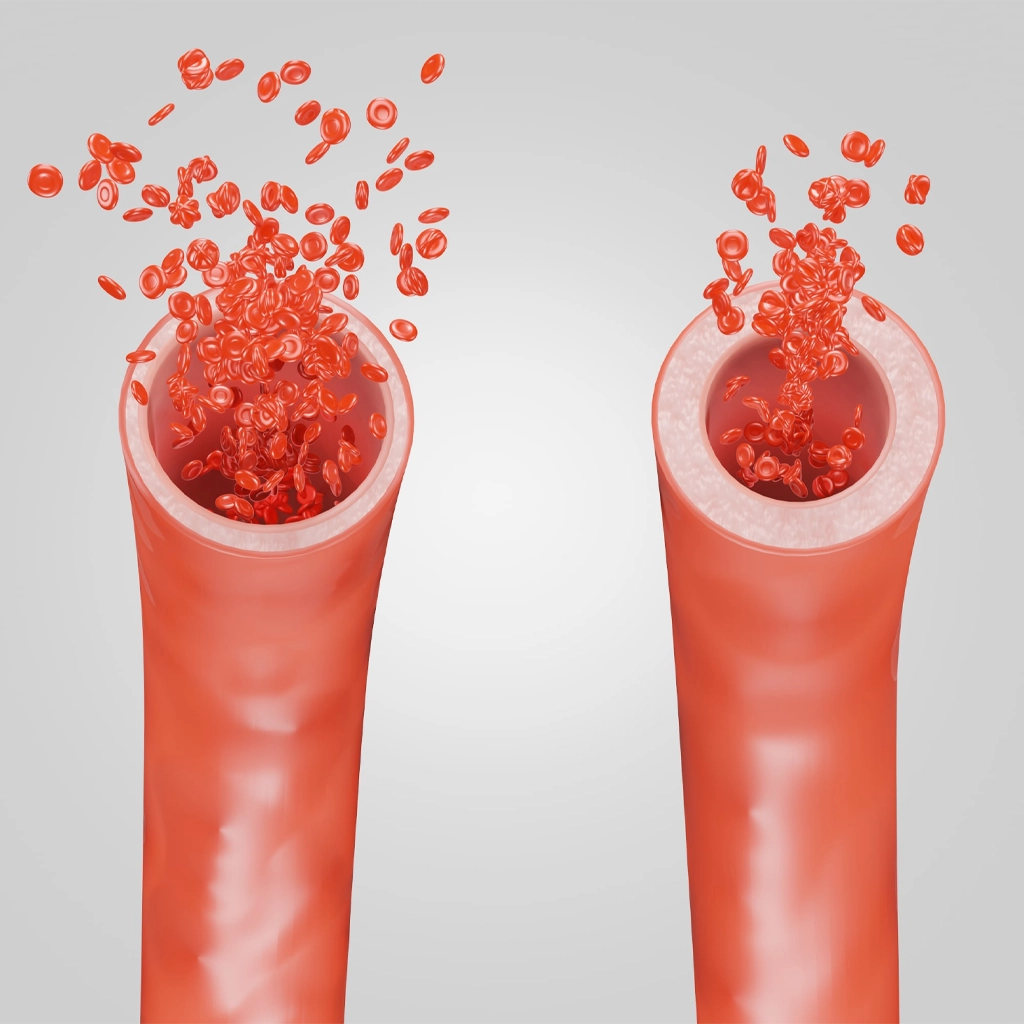
Fibromuscular dysplasia (FMD) is a type of vascular disease in which the cells within the artery walls grow abnormally. This causes the arteries to narrow and restrict blood flow. FMD usually affects medium-sized arteries, such as those supplying the brain or kidneys. It is most often diagnosed in women between the ages of 40 and 60, who account for more than 90% of cases.
What causes FMD?
The exact cause is not known but it is believed to be related to estrogen, as hormonal fluctuations appear to play a significant role. Other causes may include family history, smoking and poor circulation.
What are my treatment options?
If FMD is affecting the renal arteries supplying blood to the kidneys, high blood pressure is a common symptom. Therefore, controlling hypertension with ACE inhibitors, calcium channel blockers or diuretics may be advised by a healthcare provider.
Those for whom FMD is affecting their carotid or vertebral arteries, anti-platelet therapy to prevent clot formation may be prescribed. One such example is low-dose aspirin which can reduce the patient’s risk for stroke. In some cases, prescription medication for patients at higher risk may be advised.
If the FMD is causing persistent headaches or neck pain, medications such as NSAIDs (non-steroidal anti-inflammatory drugs) such as Tylenol or Advil may be suggested.
If FMD is causing significant blood vessel narrowing, a minimally invasive procedure to open the arteries—called balloon angioplasty—may be used.