Have you ever dealt with:
- Feet that are always cold- no matter the season?
- Your legs start to ache or cramp during a walk, and pain goes away once you’re at rest?
These are early signs of poor circulation, and shouldn’t be ignored!
Quick Answer: Common signs of poor circulation include cold feet, numbness or tingling, leg pain or cramping while walking, swelling, skin discoloration, and wounds that are slow to heal. These symptoms can be associated with vascular conditions such as peripheral artery disease (PAD) or chronic venous insufficiency and should be evaluated if they persist or worsen.
The reason people need to take it seriously is because signs of poor circulation is usually a symptom of an underlying vascular condition, and left untreated, it can lead to serious complications- think non-healing wounds, blood clots, and even limb loss. The good news is that with early diagnosis and the right treatment, many circulation problems can be effectively managed.
What is poor circulation?
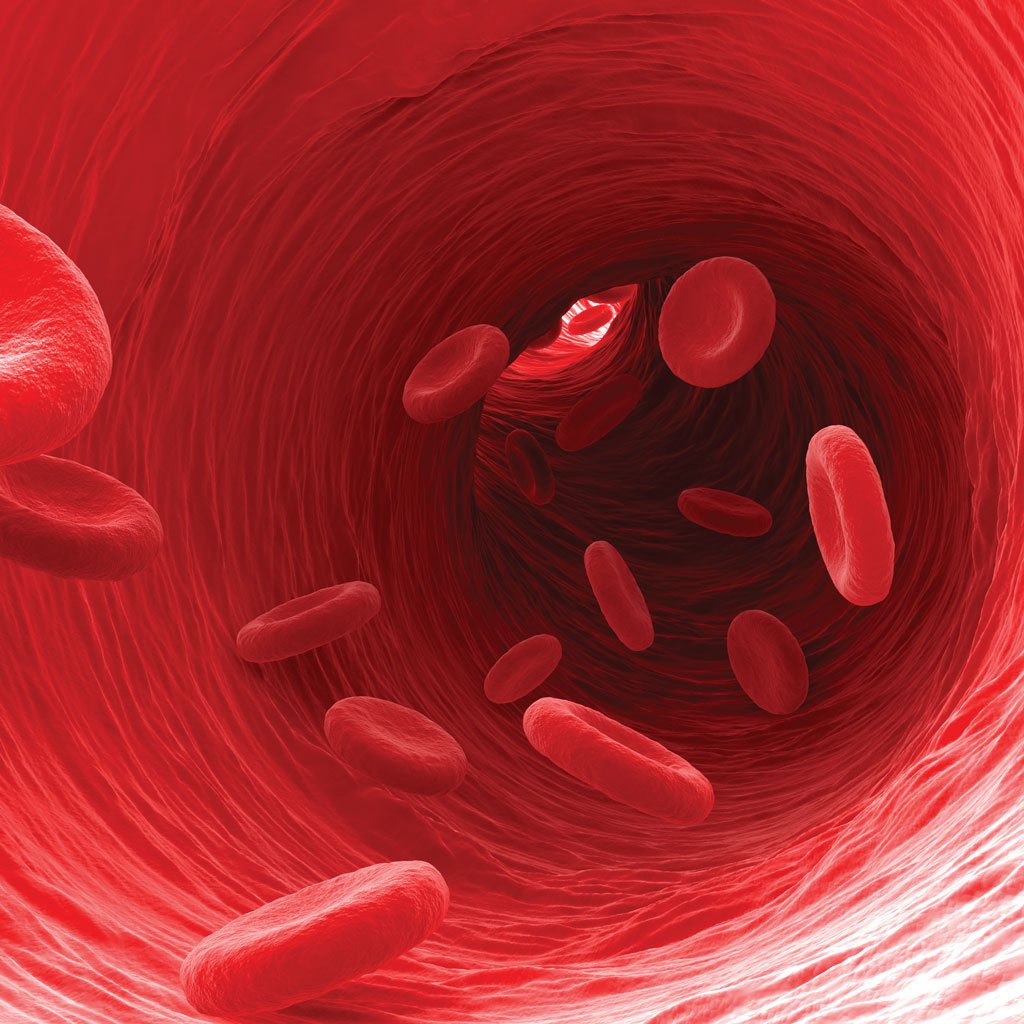
Poor circulation happens when something restricts or slows the flow of blood through your veins or arteries. It can affect the whole body, but it most often shows up in the legs and feet, since they are the farthest points from the heart.
Circulation problems generally stem from:
- Arterial issues, where narrowed or blocked arteries limit oxygen-rich blood from reaching your tissues (like in peripheral artery disease (PAD))
- Venous issues, where weakened veins or valves make it harder for blood to return to the heart (think chronic venous insufficiency and varicose veins)
These conditions can cause symptoms that patients often describe as “poor circulation in the legs” or “poor circulation in the feet.”
Common warning signs of poor circulation
So how do you know whether or not you have an issue with circulation that needs to be addressed? Here are a few of the warning signs:
- Numbness or tingling in the hands or feet
- Cold hands or feet, even in warm weather
- Leg pain, cramping, or heaviness during walking that eases with rest
- Swelling in the legs, ankles, or feet
- Skin that looks pale, bluish, or discolored
- Slow-healing sores or wounds on the legs or feet
- Varicose veins or visibly bulging veins
- Fatigue in the legs after standing or walking short distances
- Hair loss or thinning skin on the lower legs
If you notice several of these signs together, especially leg pain with walking or a wound that will not heal, it is worth talking to a vascular specialist rather than waiting to see if it improves on its own.
Leg pain or cramping that consistently occurs during walking and improves with rest is known as intermittent claudication and can be a common symptom of peripheral artery disease (PAD).
What causes poor circulation?
Several conditions can contribute to reduced blood flow, including:
- Peripheral artery disease (PAD), caused by plaque buildup in the arteries of the legs
- Chronic venous insufficiency, when leg vein valves no longer work efficiently
- Blood clots, which can partially or fully block blood flow
- Fibromuscular dysplasia (FMD), an abnormal growth of cells in artery walls
- Diabetes, which can damage blood vessels over time
- Smoking, which narrows and stiffens arteries
Risk also increases with age, high blood pressure, high cholesterol, and a family history of vascular disease.
When to see a vascular specialist
Some circulation changes are minor, but others are your body’s early warning system for something more serious, including stroke risk from carotid artery disease or limb-threatening PAD. A vascular specialist can determine whether your symptoms point to a vein problem, an artery problem, or something else entirely, and build a treatment plan around the actual cause rather than just the symptom.
Seek prompt medical attention for sudden leg swelling or pain, a leg or foot that suddenly becomes cold, pale or numb, or sudden stroke symptoms such as facial drooping, arm weakness or difficulty speaking.
Comprehensive vascular care at North Star
North Star Vascular & Interventional provides vascular care for patients in the Minneapolis–St. Paul, Minnesota area, including evaluation and treatment for:
- Peripheral artery disease (PAD)
- Fibromuscular dysplasia (FMD)
- Varicose veins
- Chronic venous insufficiency
- Blood clots
- Aneurysms
- Carotid artery disease
- Leg swelling and other circulation concerns
Our approach combines advanced vascular imaging with minimally invasive endovascular treatments. Because our vascular medicine team works directly alongside our interventional radiologists, patients move seamlessly between diagnosis, medical treatment, and state-of-the-art procedures, all without being bounced between separate practices.
Meet Dr. Nedaa Skeik, Our Newest Vascular Medicine Specialist
North Star is proud to welcome Dr. Nedaa Skeik, a nationally recognized vascular medicine specialist with more than 25 years of experience diagnosing and treating diseases of the arteries and veins.
Dr. Skeik brings a rare depth of expertise to our practice, including:
- Former Section Head of Vascular Medicine at Abbott Northwestern Hospital / Minneapolis Heart Institute
- Board Certified in Internal Medicine
- Fellow of the American College of Cardiology (FACC)
- Fellow of the American College of Physicians (FACP)
- Fellow of the Society for Vascular Medicine (FSVM)
- Registered Physician in Vascular Interpretation (RPVI)
- Author of more than 100 peer-reviewed scientific publications
- Specialized expertise in vascular ultrasound, arterial disease, venous disease, thrombosis, aneurysms, fibromuscular dysplasia, and minimally invasive vascular therapies
With Dr. Skeik on our team, patients now have direct access to an evidence-based approach that combines advanced imaging with minimally invasive therapies designed to improve circulation, relieve symptoms, preserve limbs, and reduce the risk of stroke and cardiovascular complications.
Frequently Asked Questions About Poor Circulation
What are the first signs of poor circulation?
Early signs of poor circulation can include cold feet or hands, numbness or tingling, leg fatigue, swelling, and leg pain or cramping during activity. Symptoms can vary depending on whether the problem involves the arteries or veins.
What does poor circulation in the legs feel like?
Poor circulation may cause aching, cramping, heaviness, fatigue, numbness or coldness in the legs and feet. Pain that develops while walking and improves with rest may be a sign of peripheral artery disease.
Can poor circulation cause cold feet?
Yes. Reduced arterial blood flow can cause the feet or toes to feel unusually cold, particularly when one foot feels colder than the other or cold feet occur along with pain, numbness or skin changes.
What doctor should I see for poor circulation?
A vascular medicine specialist can evaluate symptoms of poor circulation and determine whether they are related to an arterial or venous condition. Testing may include a vascular exam, ultrasound or other vascular imaging.
Can poor circulation be treated without surgery?
Yes. Treatment depends on the underlying cause and may include lifestyle changes, medication, compression therapy or minimally invasive vascular procedures. A vascular specialist can recommend treatment based on the specific condition.
Better circulation is just a conversation away!
If you are noticing leg pain, swelling, cold feet, or slow-healing wounds, our vascular medicine and interventional radiology teams are here to help you find the answer, and the right treatment, in one coordinated visit.
Schedule a vascular evaluation with North Star Vascular & Interventional today at northstarir.com/contact/.