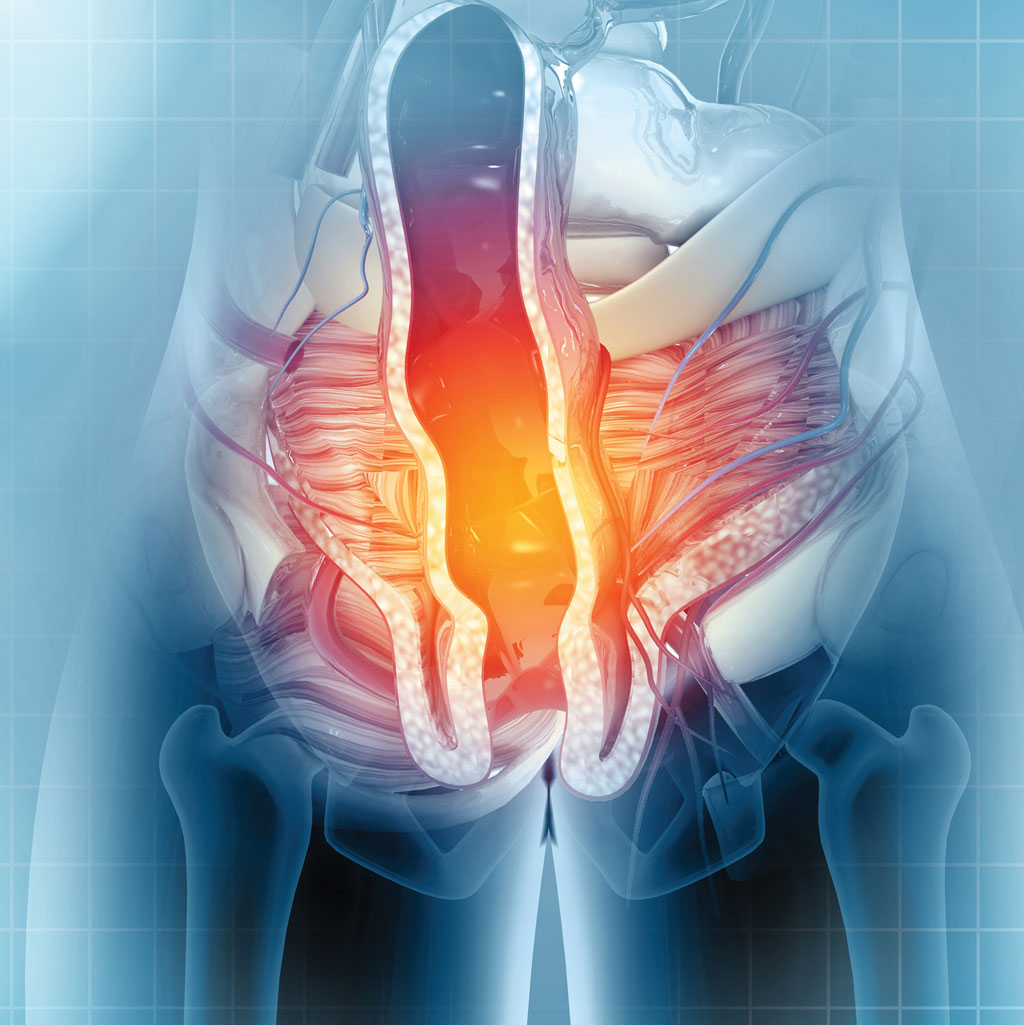
So, you’ve been told you need surgery for your hemorrhoids? Before you put it on the calendar, here’s something you might not have heard before: for many people with chronic internal hemorrhoids, surgery is not the only option, and it may not be the best first one!
A minimally invasive procedure called hemorrhoid artery embolization (HAE) can stop the bleeding and shrink hemorrhoids with no cutting, no general anesthesia, and a return to normal life in a few days. HAE is a non-surgical option for hemorrhoids that most patients are never told about.
At North Star Vascular and Interventional, it’s performed by fellowship-trained interventional radiologists– including physicians who have published peer-reviewed research on the technique.
Read on to learn what HAE is, who qualifies, what recovery looks like, and how it compares to traditional surgery, so you can have a more informed conversation about your care.
A Non-Surgical Option For Hemorrhoids: What is Hemorrhoid Artery Embolization (HAE)?
Hemorrhoid artery embolization is a minimally invasive, image-guided procedure that treats internal hemorrhoids by reducing the blood flow that feeds them. Instead of cutting out hemorrhoidal tissue, an interventional radiologist threads a thin catheter through a small access point in the wrist or upper thigh and guides it, using live X-ray imaging, to the small arteries supplying the swollen tissue. Tiny particles and micro-coils are then released to slow that blood flow, so the hemorrhoids gradually shrink and symptoms, especially bleeding, subside.
The approach is sometimes called the “Emborrhoid” technique. It has been performed in Europe for more than a decade and is now offered at a growing number of specialized centers in the United States, including North Star Vascular and Interventional in Minnesota. There is no incision into the rectum, no general anesthesia, non-surgical option for hemorrhoids and patients typically go home the same day.
Why internal hemorrhoids are different
Not all hemorrhoids are alike. External hemorrhoids form under the skin around the anus and are often visible or tender. Internal hemorrhoids develop inside the rectum, where nerve endings are sparse, which is why they often don’t cause the sharp pain external ones can.
Because they may not hurt, internal hemorrhoids are easy to live with for months or years. The most common signs are:
- Rectal bleeding (often the bright red blood noticed after a bowel movement)
- A feeling of pressure or incomplete emptying
- Mucus discharge
- In more advanced cases, prolapse (tissue protruding through the anal opening)
By the time many patients seek care, they’re told that conservative measures like added fiber, topical creams, and stool softeners have stopped working, and that surgery is the next step. For people whose main problem is bleeding, that’s exactly where a second option deserves discussion.
Why surgery isn’t the only serious option
Traditional hemorrhoid surgery, called a hemorrhoidectomy, is effective and remains the right choice for some patients. But it carries a meaningful recovery burden: post-operative pain can be significant and last for weeks, time off work is usually required, and complications such as wound infection and anal fissures can occur.
For many patients, that recovery is the reason they delay treatment indefinitely– which only lets symptoms get worse. The problem is not that surgery is wrong; it’s that surgery is often presented as the only serious option, when the landscape of internal hemorrhoid treatment has changed. HAE gives appropriate candidates a way to address the bleeding first, offers a non-surgical option for hemorrhoids without closing the door on surgery later.
Who is a candidate for HAE?
HAE is best suited for patients with grade 1 to 3 internal hemorrhoids whose primary complaint is bleeding and who haven’t found lasting relief from conservative care. It’s also a strong option for people who want to avoid surgery or who are at higher surgical risk.
You may be a good candidate if you:
- Have ongoing rectal bleeding from internal hemorrhoids
- Have already tried diet changes, fiber, creams, or office procedures like rubber band ligation without success
- Want a minimally invasive alternative to surgery
- Have health conditions that make surgery and general anesthesia riskier
Importantly, having HAE does not rule out surgery in the future. It is an additional tool, not a last resort. A consultation with an interventional radiologist is the only way to confirm whether it fits your specific grade and symptom pattern.
How well does HAE work?
For appropriate candidates, the evidence is encouraging. Across published studies, the procedure is almost always completed successfully. Peer-reviewed systematic reviews report technical success rates of roughly 93% to 100%.
As with any hemorrhoid treatment, including surgery and rubber band ligation, symptoms can return over time, and a small number of patients benefit from a repeat procedure.
What does HAE recovery look like?
Recovery is one of the biggest differences between HAE and a surgical hemorrhoidectomy. Most patients are back to work and normal daily activity within one to three days. Some mild pelvic discomfort or a temporary urge to pass stool may occur in the days right after the procedure, but the intense post-operative pain associated with traditional surgery is not a typical feature of embolization.
Bleeding often begins to improve within the first week, with continued reduction over the following four to six weeks as the hemorrhoidal tissue shrinks.
Why choose North Star Vascular and Interventional
HAE is a specialized procedure, and experience matters. North Star Vascular and Interventional’s physicians are fellowship-trained in vascular and interventional radiology and have trained at leading academic medical centers.
Our team includes Dr. Jafar Golzarian, a professor of radiology and a co-author of a peer-reviewed review of the current evidence on hemorrhoid embolization published in Diagnostic and Interventional Imaging.
Procedures are performed in North Star’s own office-based lab, a fully equipped outpatient center designed for comfortable, same-day care outside a hospital. Our team also coordinates with your existing doctors and care team so treatment decisions are made together.
Is HAE right for you?
If you’ve been living with chronic internal hemorrhoids and want to learn more about HAE, schedule a consultation with one of our hemorrhoid experts! Our specialists can clarify whether HAE is appropriate for your specific grade and symptoms. We’re also happy to work alongside your doctor and care team to find the right treatment for you.
Sources
- Ali A, et al. Outcomes of embolization therapy of superior rectal arteries for the management of grade 1 to 3 internal hemorrhoids: a systematic review of clinical studies. PubMed, 2024–2025. (Technical success 93–100%; clinical success 63–94% across 810 procedures.) https://pubmed.ncbi.nlm.nih.gov/40877526/
- Talaie R, Torkian P, Moghadam AD, Tradi F, Vidal V, Sapoval M, Golzarian J. Hemorrhoid embolization: A review of current evidences. Diagnostic and Interventional Imaging. 2022;103(1):3–11. https://www.sciencedirect.com/science/article/pii/S2211568421001704
- Does hemorrhoidal artery embolization really benefit patients with hemorrhoids? World Journal of Gastroenterology / PMC. https://pmc.ncbi.nlm.nih.gov/articles/PMC11572626/
- North Star Vascular and Interventional. Hemorrhoid Artery Embolization (HAE) and Chronic Hemorrhoids. https://northstarir.com/treatments/hemorrhoid-artery-embolization-hae/
- UCLA Health. Hemorrhoidal Artery Embolization: A Novel Approach to Internal Hemorrhoid Treatment. July 2025. https://www.uclahealth.org/news/article/hemorrhoidal-artery-embolization-novel-approach-internal